
Aging While Black
A new book by Baton Rouge’s standout community leader, Raymond A. Jetson

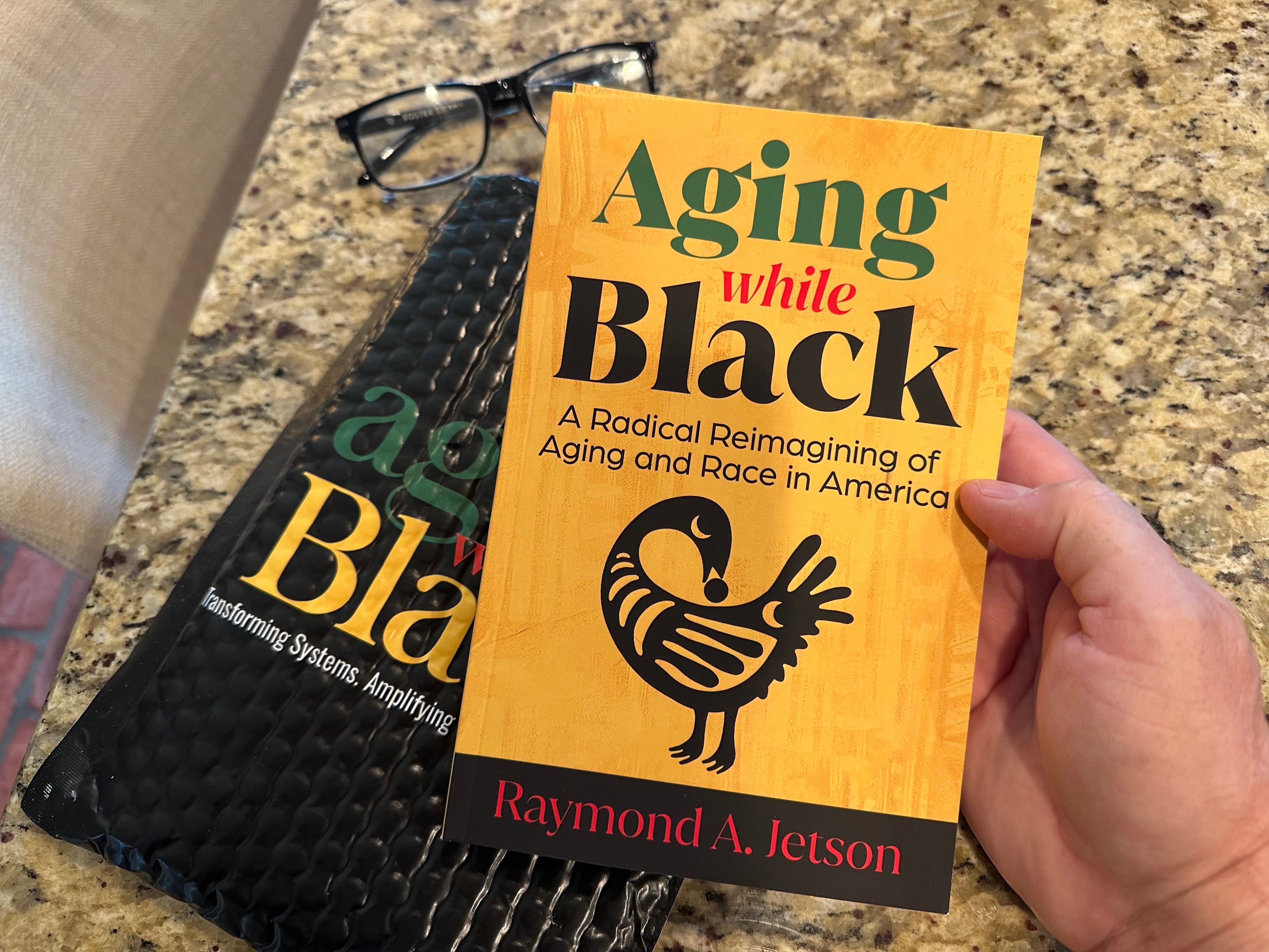
No American experience or institution is race-neutral. Our nation is inextricably bound to an awareness of race, and to leveraging that awareness with state power to maintain four centuries of enforced white supremacy.
Like every facet of life here, aging is qualitatively different depending on where one stands within America’s particular caste system: For Black people especially and persons of color generally, the experience of aging is more expensive, less comfortable, and sooner to end in death than for people who identify as white.
The evidence for this is clear and now contained in the new book Aging While Black by long-time public servant and community leader, Raymond A. Jetson.
Jetson grew up in strictly segregated, mid-century Baton Rouge, Louisiana’s deeply Southern capital city. Through dedication and personal excellence, and with the example of some formidable forebears, Jetson would achieve national prominence as a leader, speaker, thinker and writer about the Black experience in America.
In the latest of his several, high-profile efforts to highlight and improve that experience, Jetson’s Aging While Black book and social movement reveal both the long history of racial injustice in our country and its many contemporary manifestations.
Acknowledging his own responsibility as a community elder, Jetson recounts the lessons learned from his resilient ancestors (particularly his great-grandparents, Walter and Rebecca Whitfield) who exemplified the traditional practice of Sankofa—borrowing values from the past to inform the future—in their own journeys through life.
To this ancient wisdom, Jetson’s work adds findings of the latest academic research and insights from extensive interviews with today’s most effective leaders on issues of race and resilience in America.
Being Black is not a prerequisite to appreciating the value of Jetson’s new book. Americans of every background and identity will benefit from Aging While Black’s frank exposition of institutional racism and its discontents—and the book’s ultimately hopeful message that life’s full potential is our shared human birthright.
I love a thoughtful book review. Thank you!